If you’re planning to install solar panels in Ireland, choosing the right type of solar panel is one of the most important decisions you’ll make. Different solar panels vary in efficiency, cost, lifespan, and performance, especially in Ireland’s changing weather conditions. The good news is that modern solar PV systems are designed to generate electricity from daylight rather than direct sunshine, making them a reliable option throughout the year. In this guide, we’ll explain the main types of solar panels available in Ireland, compare their benefits, discuss which panels perform best in Irish weather, and help you choose the right system for your home or business.
What Are the Main Types of Solar Panels in Ireland?
There are three main types of solar panels used across Ireland:
- Monocrystalline Solar Panels
- Polycrystalline Solar Panels
- Thin-Film Solar Panels
Each type has its own advantages, making it suitable for different properties and energy requirements. Understanding the differences will help you make an informed decision before investing in a solar PV system.
1. Monocrystalline Solar Panels
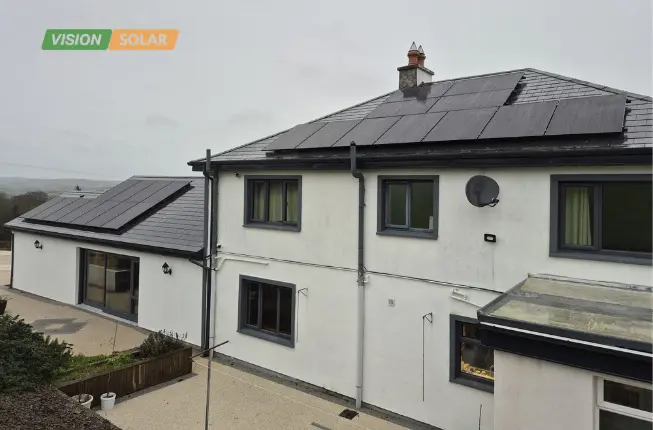
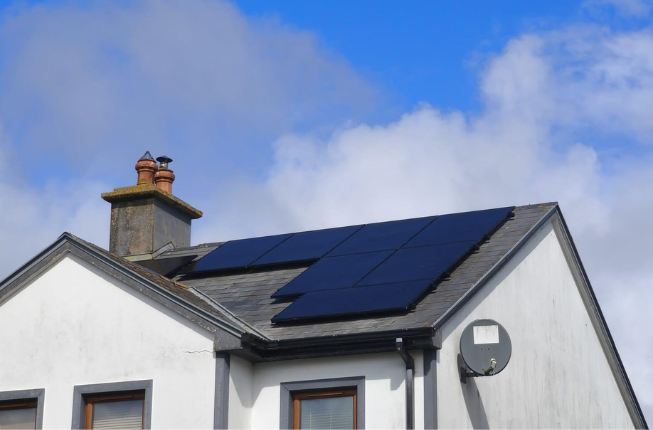
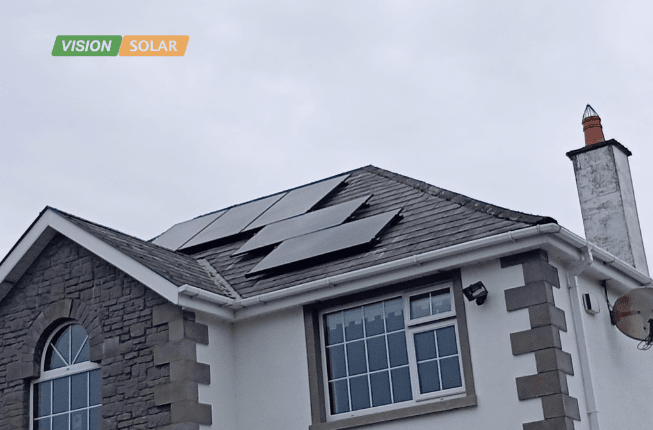
Monocrystalline solar panels are the most popular choice for homes in Ireland. They are manufactured using a single silicon crystal, allowing them to produce more electricity from a smaller surface area.
Best for
- Residential homes
- Properties with limited roof space
- Homeowners looking for maximum energy savings
Advantages
- High efficiency, typically between 20% and 23%
- Excellent performance in Ireland’s cloudy weather
- Generates more electricity from a smaller number of panels.
- Long lifespan of 25 to 30 years or more
- Modern appearance with a sleek black finish
Considerations
- Higher upfront cost than other panel types
Although they cost more initially, monocrystalline panels often provide the best long-term value because they generate more electricity over their lifetime. At Vision Solar, these are the panels most commonly recommended for residential installations due to their efficiency and reliable performance.
2. Polycrystalline Solar Panels
Polycrystalline solar panels are another popular option. They are made using multiple silicon crystals and offer dependable performance at a lower purchase price.
Best for
- Larger homes
- Farms
- Commercial buildings with plenty of roof space
Advantages
- More affordable than monocrystalline panels
- Reliable electricity generation
- Suitable for Ireland’s climate
- Good value for larger installations
Considerations
- Slightly lower efficiency
- Requires more roof space to achieve the same output
If your property has a large roof and your priority is reducing installation costs, polycrystalline panels can still be an excellent investment.
3. Thin-Film Solar Panels
Thin-film solar panels are lightweight and flexible compared to traditional solar panels. They are mainly used for commercial, agricultural, and industrial projects rather than residential homes.
Best for
- Warehouses
- Agricultural sheds
- Industrial buildings
- Large commercial roofs
Advantages
- Lightweight design
- Flexible installation options
- Performs reasonably well in lower light conditions
Considerations
- Lower efficiency than crystalline panels
- Requires a much larger installation area
- Less common for residential properties
Most homeowners choose crystalline solar panels, while thin-film systems are usually used for larger commercial projects.
Comparing the Different Types of Solar Panels
| Feature | Monocrystalline | Polycrystalline | Thin-Film |
|---|---|---|---|
| Efficiency | High | Medium | Lower |
| Roof Space Required | Low | Medium | High |
| Lifespan | 25–30+ Years | 25+ Years | 15–20 Years |
| Cost | Higher | More Affordable | Varies |
| Best For | Homes | Large Roofs | Commercial Projects |
Which Solar Panel Works Best in Ireland?
For most homeowners, monocrystalline solar panels are the best option. They generate more electricity from less roof space and continue performing efficiently throughout Ireland’s changing weather conditions.
Polycrystalline panels are a good choice for larger roofs where installation costs are a higher priority than maximum efficiency.
Thin-film panels are usually better suited to commercial or agricultural projects where large roof areas are available.
Do Solar Panels Work on Cloudy Days?
Yes, they do.
One of the biggest myths about solar energy is that solar panels only work in bright sunshine. In reality, solar PV panels generate electricity from daylight, not direct sunlight. Even on cloudy days, they continue producing power.
Ireland receives enough daylight throughout the year for solar panels to deliver excellent long-term performance. This is why thousands of homeowners and businesses across the country are choosing solar energy to reduce electricity bills and lower their carbon footprint.
How to Choose the Right Solar Panel
Before selecting a solar PV system, consider:
- Available roof space
- Roof direction and shading
- Daily electricity usage
- Your budget
- Whether you plan to add battery storage
- Future plans, such as installing an EV charger
A professional site survey will help determine the most suitable system for your property. Choosing the right panel from the beginning ensures better energy production and long-term savings.
Why the Installer Matters
Choosing the right installer is just as important as choosing the right solar panel.
A properly designed and professionally installed system will deliver better performance, improved safety, and greater long-term value.
When selecting a solar installer, look for a company that:
- Is SEAI-registered
- Uses high-quality solar equipment
- Provides workmanship and product warranties
- Offers support with SEAI grant applications
- Delivers reliable aftercare and customer support
At Vision Solar, we install high-quality solar PV systems for homes, farms, and businesses across Ireland. Every installation is designed around the property’s energy needs, helping customers maximise electricity savings while making the most of available SEAI grants.
Final Thoughts
Choosing the right types of solar panels in Ireland depends on your roof size, energy usage, budget, and long-term goals. While all three panel types can generate renewable electricity, monocrystalline panels remain the preferred option for most Irish homes because they offer the highest efficiency and excellent performance in Ireland’s climate.
If you’re considering solar panel installation, Vision Solar can help you choose the right system for your property. Our experienced team provides free site surveys, expert advice, professional installation, and guidance on available SEAI grants to help you make a confident investment in renewable energy.
Frequently Asked Questions
1. Which type of solar panel is best in Ireland?
Monocrystalline solar panels are the preferred choice for most Irish homes because they provide high efficiency and excellent performance in Ireland’s weather.
2. Do solar panels work during winter in Ireland?
Yes. Solar panels generate electricity from daylight, so they continue producing energy throughout winter, although output is naturally lower than during summer.
3. Are monocrystalline panels better than polycrystalline panels?
Monocrystalline panels are generally more efficient and require less roof space, while polycrystalline panels are a more affordable option for larger roofs.
4. Can I get an SEAI grant for solar panels?
Yes. Eligible homeowners can apply for the SEAI Solar PV Grant when installing a system through an SEAI-registered installer.
5. How long do solar panels last?
Most high-quality solar panels have a lifespan of 25 to 30 years or more and require very little maintenance to continue generating electricity efficiently.