Electric vehicles (EVs) are becoming more popular as people look for cleaner and more affordable ways to travel. At the same time, solar energy is helping homes and businesses reduce their electricity bills. This naturally leads to an important question: why don’t electric cars have solar panels on their roofs? While the idea sounds simple, there are several technical reasons why most manufacturers do not rely on solar panels to power electric cars. In this guide, we’ll explain how solar panels on electric cars work, why they are not common, whether electric vehicle solar charging is possible, and the best way to combine solar energy with EV charging for long-term savings.
Why Don’t Electric Cars Have Solar Panels?
An electric car doesn’t have enough roof space to generate the amount of electricity needed for regular daily journeys.
Residential rooftops provide plenty of room for solar panels, whereas a vehicle’s roof is much smaller. This limits the amount of solar energy that can be collected throughout the day.
For example, a solar roof may add a few extra kilometres of driving range on a sunny day, but it cannot fully charge the battery or replace regular charging.
This is why most manufacturers continue to focus on larger battery packs and faster charging technology instead of depending on solar-powered electric cars.
Can Electric Cars Charge with Solar Panels?
Yes, but not usually from panels installed on the car itself.
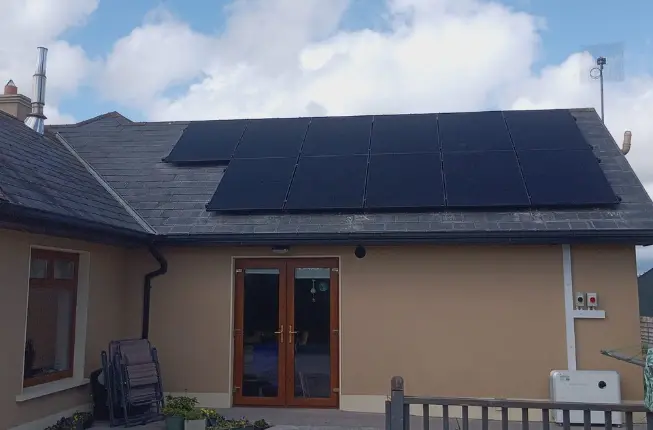
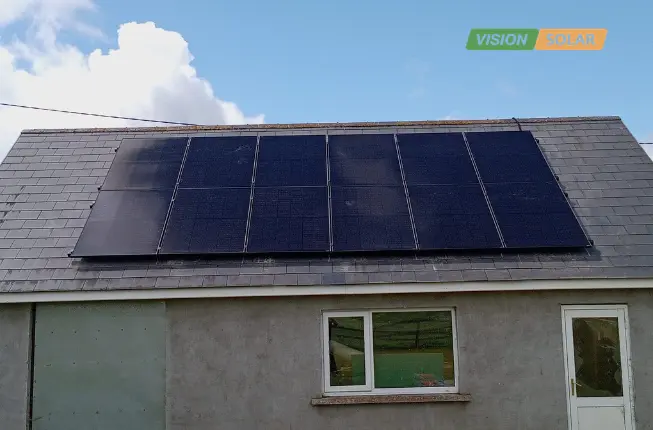
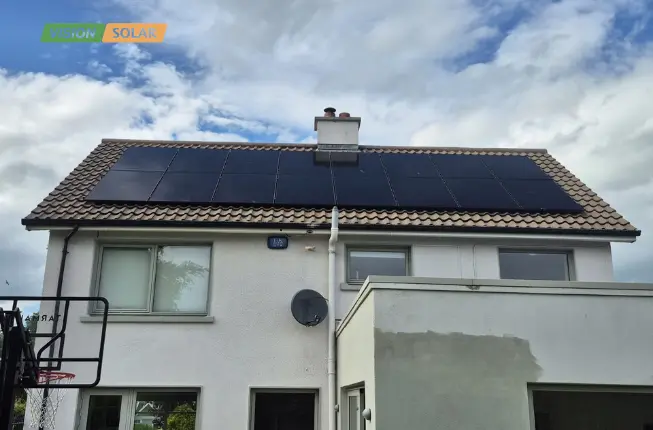
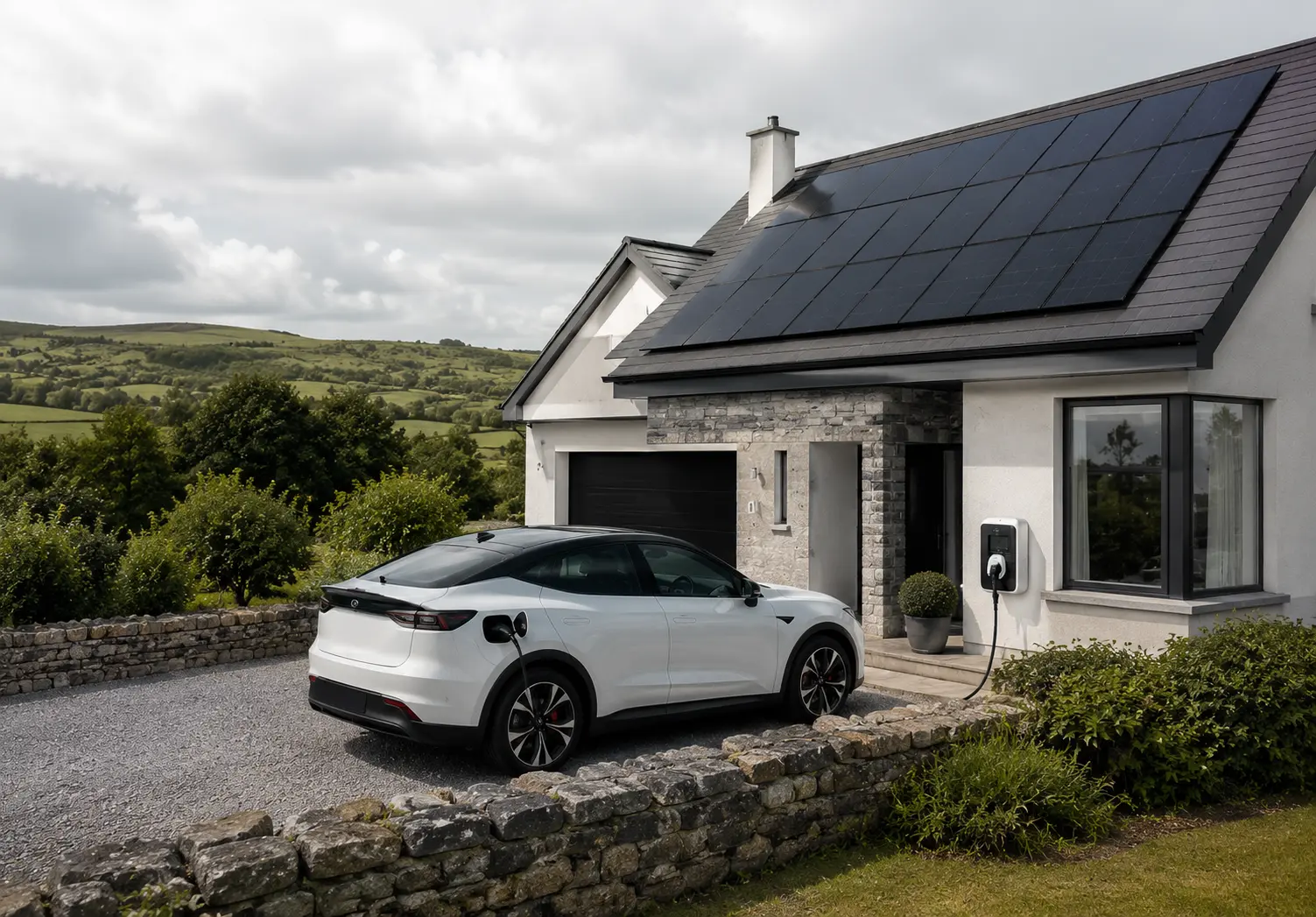
The most practical solution is charging an electric vehicle using home solar panels. A residential solar PV system generates electricity during the day, which can then be used for EV charging with solar energy.
This allows homeowners to power their vehicles with renewable energy while reducing their electricity costs.
Many families also install battery storage to keep unused solar energy for charging their electric vehicle later in the evening.
Are There Any Electric Cars with Solar Panels?
A few manufacturers have tested electric cars with solar panels, and some models include a small solar roof for electric cars.
These systems are mainly designed to:
- Support the 12V battery
- Power ventilation or air conditioning
- Add a small amount of driving range
- Improve overall energy efficiency
While these features are useful, they are not powerful enough to replace conventional charging.
What Limits Solar Panels on Electric Cars?
Several factors make it difficult for solar panels on electric cars to provide significant power.
Limited Roof Space
A car roof offers only a small surface area compared to a house, which limits how many solar cells can be installed.
Weather Conditions
Solar panels generate electricity from daylight, but cloudy weather, rain, and shade reduce their output. This makes electric vehicle solar charging less predictable.
Energy Demand
Modern electric vehicles require a large amount of electricity to travel long distances. Small roof-mounted panels simply cannot produce enough energy to meet this demand.
Cost and Design
Adding built-in solar panels increases manufacturing costs and vehicle complexity. Many manufacturers prefer investing in larger batteries and faster charging systems instead.
Is Solar Energy Still the Best Option for EV Owners?
Absolutely.
Although solar-powered electric cars are still limited, using solar energy for electric vehicles at home is becoming one of the smartest ways to reduce charging costs.
A home solar PV system can generate clean electricity throughout the day, allowing you to charge your EV using renewable energy instead of relying entirely on the national grid.
Over time, this can reduce electricity bills, lower carbon emissions, and increase energy independence.
What Does the Future Look Like?
Solar technology continues to improve every year. More efficient solar cells, lighter materials, and better battery technology may allow future electric cars to make greater use of solar energy.
Researchers are already developing improved EV solar panels that could increase driving range and support vehicle charging more effectively.
While fully solar-powered electric cars are not yet practical for everyday use, future innovations may change how electric vehicles are powered.
Final Thoughts
So, why don’t electric cars have solar panels on their roofs? The simple answer is that today’s solar panels cannot generate enough electricity from the limited roof space available on a vehicle. However, that doesn’t mean solar energy has no role in electric mobility.
Pairing your electric vehicle with a home solar installation is a practical way to cut charging expenses and make everyday driving more environmentally friendly.
At Vision Solar, we help homeowners across Ireland install high-quality solar PV systems that work perfectly with electric vehicle charging. Whether you’re planning to install an EV charger or want to power your car with renewable energy, Vision Solar can help you choose the right solution for your home.
Frequently Asked Questions
1. Why don’t electric cars have solar panels?
Most car roofs are too small to generate enough electricity to fully charge an electric vehicle.
2. Can electric cars charge with solar panels?
Yes. Electric cars can be charged using electricity generated by a home solar PV system.
3. Are there electric cars with solar panels?
Yes. Some models include solar roofs, but they provide only a small amount of additional energy.
4. Do solar panels work on electric cars in Ireland?
They can generate electricity, but Ireland’s weather and the limited roof space mean they cannot fully power an electric vehicle.
5. Is charging an EV with home solar panels worth it?
Yes. Charging an EV with solar energy can reduce electricity bills, lower carbon emissions, and make better use of renewable energy.