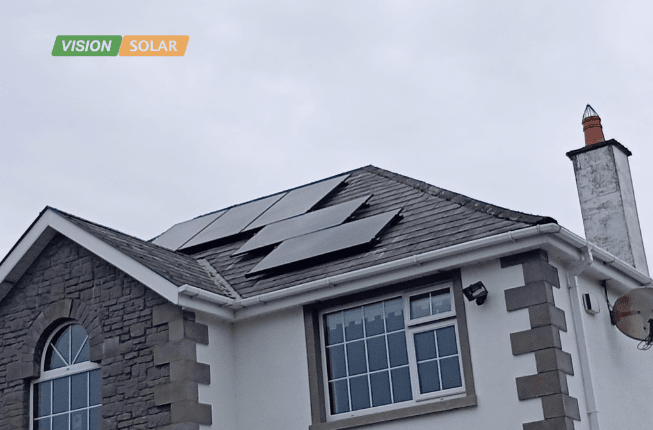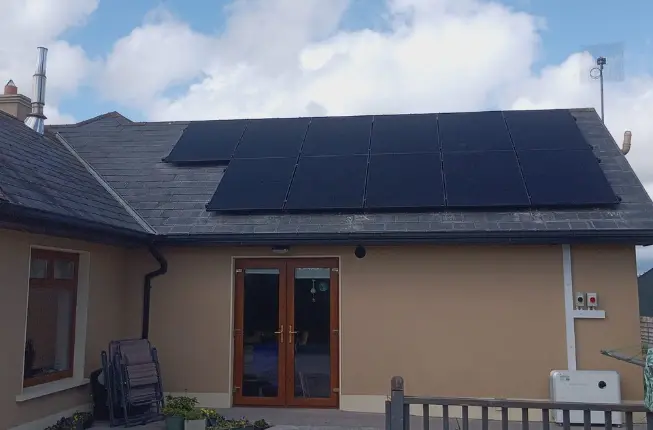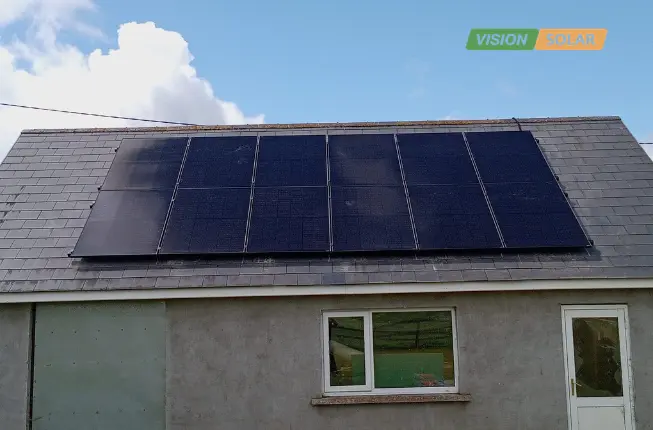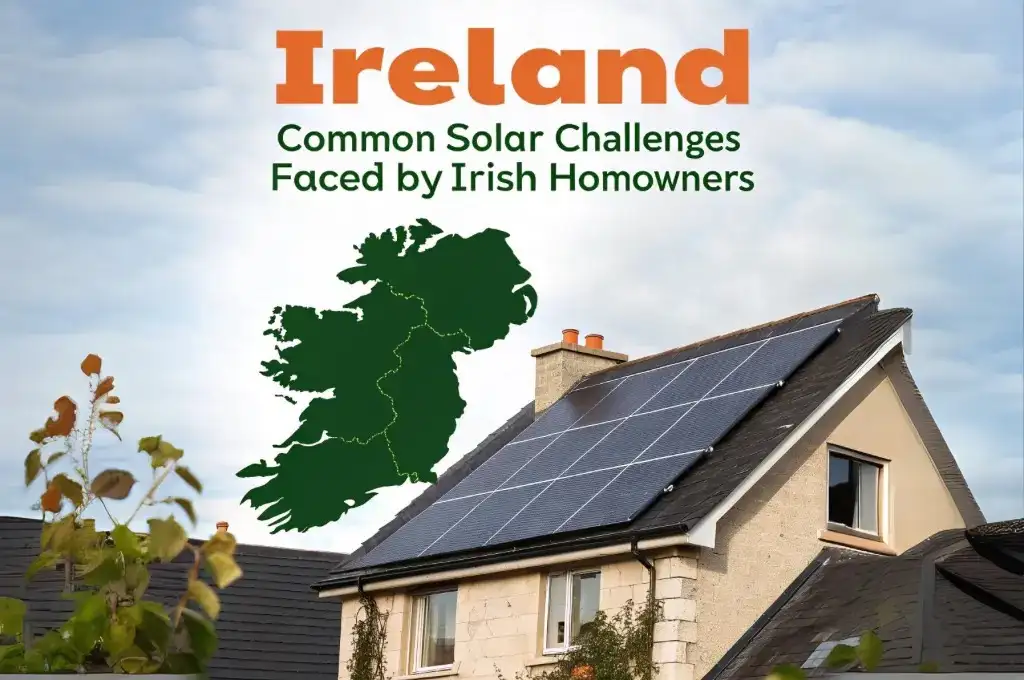
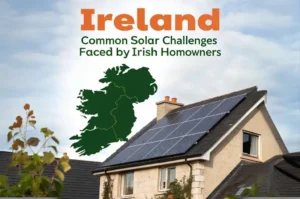
Many homeowners wonder whether solar panels can generate enough electricity in Ireland’s climate. With frequent cloud cover and changing weather, it’s natural to question whether investing in solar energy is worthwhile. The good news is that modern solar PV systems are designed to generate electricity from daylight, not just direct sunshine, making them an effective solution across Ireland. In this guide, we’ll explain how solar panels work in Irish weather, the benefits they offer, common concerns homeowners have, the role of SEAI grants, and why more families are choosing solar energy to reduce electricity bills and become more energy independent.
Do Solar Panels Work in Ireland?
Yes, solar panels are highly effective in Ireland.
One of the biggest misconceptions is that solar panels need constant sunshine to produce electricity. In reality, solar PV panels generate electricity using daylight. Even on cloudy days, they continue producing power, although output may be lower than on bright sunny days.
Ireland receives enough daylight throughout the year for solar panels to deliver excellent long-term performance. During the longer days of spring and summer, systems produce more electricity, while they continue generating useful energy during autumn and winter.
Why More Irish Homeowners Are Choosing Solar Panels
The number of residential solar installations in Ireland has grown steadily in recent years. Rising electricity prices, improved solar technology, and government support have made solar energy a practical investment for many households.
Many homeowners choose solar panels to:
- Reduce monthly electricity bills
- Lower their carbon footprint
- Increase energy independence
- Protect against rising energy costs
- Add value to their property
- Use clean, renewable energy
With the support of the SEAI Solar PV Grant, eligible homeowners can also reduce the upfront cost of installing a solar PV system.
Do Solar Panels Work on Cloudy Days?
Yes.
Modern solar panels are designed to capture daylight rather than relying only on direct sunlight. Even when the sky is cloudy, they continue producing electricity.
Ireland’s cooler climate can also help improve solar panel efficiency. Unlike extremely hot conditions, moderate temperatures allow solar PV panels to operate effectively throughout the year.
Although electricity production varies with the seasons, a professionally designed system can provide significant energy savings over its lifetime.
What Affects Solar Panel Performance?
Several factors influence how much electricity a solar PV system generates.
Roof Direction and Angle
South-facing roofs generally receive the most sunlight, but east- and west-facing roofs can also provide excellent performance when the system is designed correctly.
Roof Shading
Trees, neighbouring buildings, or chimneys can reduce energy production if they cast shadows on the panels. A professional site survey helps identify the best panel placement.
System Size
Installing the right number of solar panels ensures your system matches your household’s electricity usage and energy goals.
Quality Installation
Working with an experienced solar installer helps ensure your system performs efficiently and safely for many years.
Are Solar Panels Worth the Investment?
For many Irish homeowners, the answer is yes.
While installing solar panels requires an initial investment, the long-term savings on electricity bills can make the system cost-effective over time. Many households also choose to install battery storage, allowing excess electricity generated during the day to be used in the evening.
Combined with the SEAI Solar PV Grant, solar panels have become more affordable than ever before.
Common Questions About Solar Panels in Ireland
Many homeowners share similar concerns before installing solar panels.
Will they work during winter?
Yes. Solar panels continue generating electricity during winter because they use daylight, although production is naturally lower than in summer.
Will they need a lot of maintenance?
No. Solar PV systems require very little maintenance. Occasional cleaning and routine inspections are usually enough to keep them operating efficiently.
How long do solar panels last?
Most high-quality solar panels are designed to last for decades while continuing to produce reliable electricity.
Choosing the Right Solar Installer
Even the best solar panels cannot deliver their full potential if they are installed incorrectly. A properly designed system, installed by experienced professionals, helps maximise electricity generation and long-term reliability.
When comparing solar panel installers in Ireland, look for a company that:
- Provides professional site assessments
- Installs high-quality solar PV systems
- Offers guidance on the SEAI Solar PV Grant
- Uses experienced installation teams
- Provides ongoing customer support
Choosing a trusted installer helps ensure your system delivers reliable performance and long-term value.
Final Thoughts
So, do solar panels really work in Ireland? Absolutely. Modern solar PV systems are designed to perform efficiently in Irish weather, helping homeowners reduce electricity bills, lower carbon emissions, and make greater use of renewable energy. With continued improvements in solar technology and support through the SEAI Solar PV Grant, there has never been a better time to consider switching to solar.
At Vision Solar, we help homeowners across Ireland choose the right solar PV system for their property. From expert advice and SEAI grant guidance to professional installation and aftercare, our experienced team is here to support you on your journey to clean, renewable energy.
At Vision Solar, we simplify the entire process of solar panel installation. From assessing your home’s potential to handling paperwork and providing quality aftercare, we’re here every step of the way.