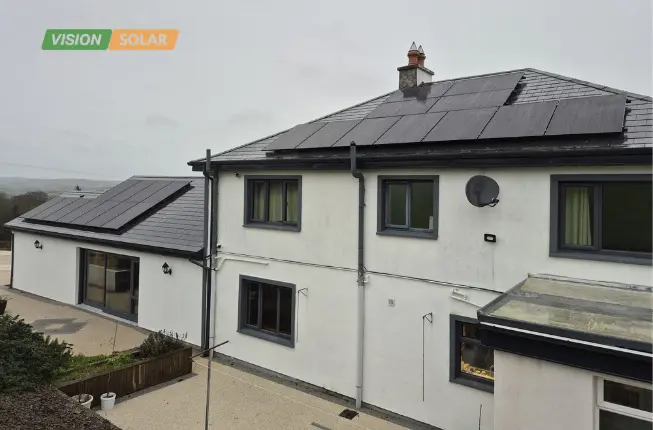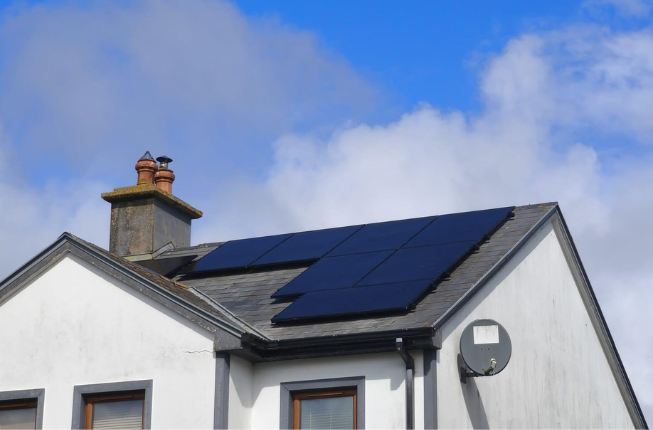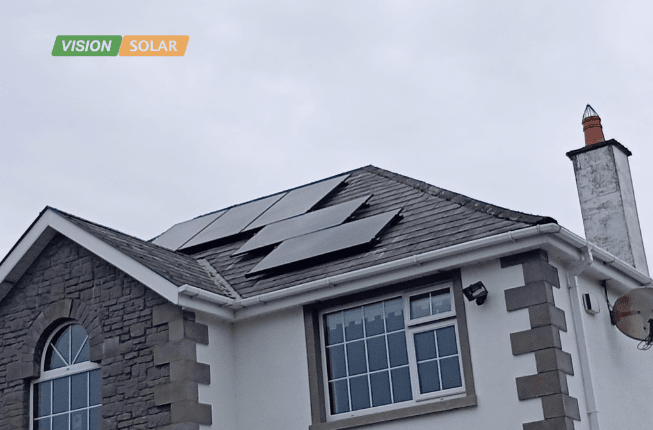
Solar PV in Ireland has moved from a niche upgrade to a mainstream decision for homeowners, farmers, and business owners weighing rising energy costs against a one-time investment. This guide, from the team at Vision Solar, covers what the SEAI grant actually pays for, who qualifies, what a proper installer relationship looks like from site survey through aftercare, and the questions worth asking before signing off on any quote. By the end, the goal is a clear, honest picture of whether solar makes sense for a given property this year not a sales pitch dressed up as a guide.
Why Interest in Solar Has Shifted
For years, a common assumption held people back: that Irish weather made solar panels a poor investment. That assumption doesn’t hold up anymore. Solar PV systems generate electricity from daylight, not direct sunshine, which means panels keep producing power through overcast spells and shorter winter days, just at lower output than a clear summer afternoon. Combined with the Smart Export Guarantee, which pays eligible households for surplus electricity sent back to the grid, and the growing option of pairing panels with battery storage, a solar system today does more for a property’s overall energy setup than it did five years ago.
What the SEAI Grant Covers, and What It Doesn’t
The Sustainable Energy Authority of Ireland runs a Solar PV grant scheme built to bring down the upfront cost of installation for eligible homeowners. It reduces the price of the system rather than covering it outright, which means the grant works best as one part of the overall value equation, not the sole reason to install. Grant amounts scale with system size up to a set maximum, and are reviewed periodically by SEAI. Our team confirms the current rate for your property during your free site survey, so quotes are always based on the latest figures rather than an outdated number.
Separate supports exist for commercial properties through the Non-Domestic Microgen scheme, and farmers can access funding routes suited to agricultural buildings and higher daytime energy loads from equipment like milking parlours and refrigeration units. Each pathway carries its own eligibility rules, so confirming which category a property falls under comes before assuming any figure applies to it. Vision Solar handles this assessment directly for residential, commercial, and agricultural properties, and manages the SEAI paperwork on the customer’s behalf from start to finish.
Why the Installer Matters As Much As the Grant
A grant only pays out if the work is completed by an SEAI-registered installer, but registration should be treated as a baseline requirement, not the deciding factor. System design is where the real difference shows up. Two properties with identical roof space can need very different setups depending on roof orientation, shading from nearby trees or buildings, current electricity usage, and future plans such as an EV charger or battery storage. A proper site assessment accounts for all of this before a single panel is ordered, which is what separates a system built to match actual consumption from a standard package sold at volume.
After-sales support matters just as much. A solar PV system is meant to run for decades, so questions about monitoring, warranty terms, and who answers the phone if an inverter fault shows up two years after installation carry as much weight as the quote itself.
Getting Real Value After Installation
Panels going up on the roof is the starting point, not the finish line. Households that shift high-usage tasks, washing machines, dishwashers, immersion heaters, into daylight hours tend to draw more direct benefit from the electricity their system generates, rather than exporting it at a lower return. Many homeowners add battery storage or an EV charger at a later stage as budgets allow, which is worth raising at the design stage even when it isn’t part of the first phase of work.
At Vision Solar, every quote starts with a proper site survey rather than a standard package, and our team manages SEAI documentation directly so the grant process doesn’t turn into a second job for the customer. If a property in Limerick or elsewhere across Ireland is ready for a straight answer on what solar could realistically deliver, get in touch for a no-obligation assessment.
FREQUENTLY ASKED QUESTIONS
1. Does the SEAI grant cover the full cost of a solar PV system?
No. It reduces the upfront cost by a set amount based on system size, with the remaining balance paid by the homeowner or business.
2. Do I need an SEAI-registered installer to qualify?
Yes. Grant eligibility depends on using a registered installer, and this also ensures the work meets recognised safety and quality standards.
3. Can battery storage be added after the initial installation?
In most cases, yes. Systems are commonly designed with future battery storage in mind, even if it isn’t fitted on day one.
4. Do solar panels still generate power on cloudy days?
Yes. Panels respond to daylight rather than direct sun, so output continues year-round at varying levels.
5. What is the Smart Export Guarantee?
It’s a scheme allowing eligible households to receive payment for surplus electricity their system sends back to the national grid.